We're not reinventing the wheel: the model that changed European farming
By Martín Guarini, grower at Araminda Lemons
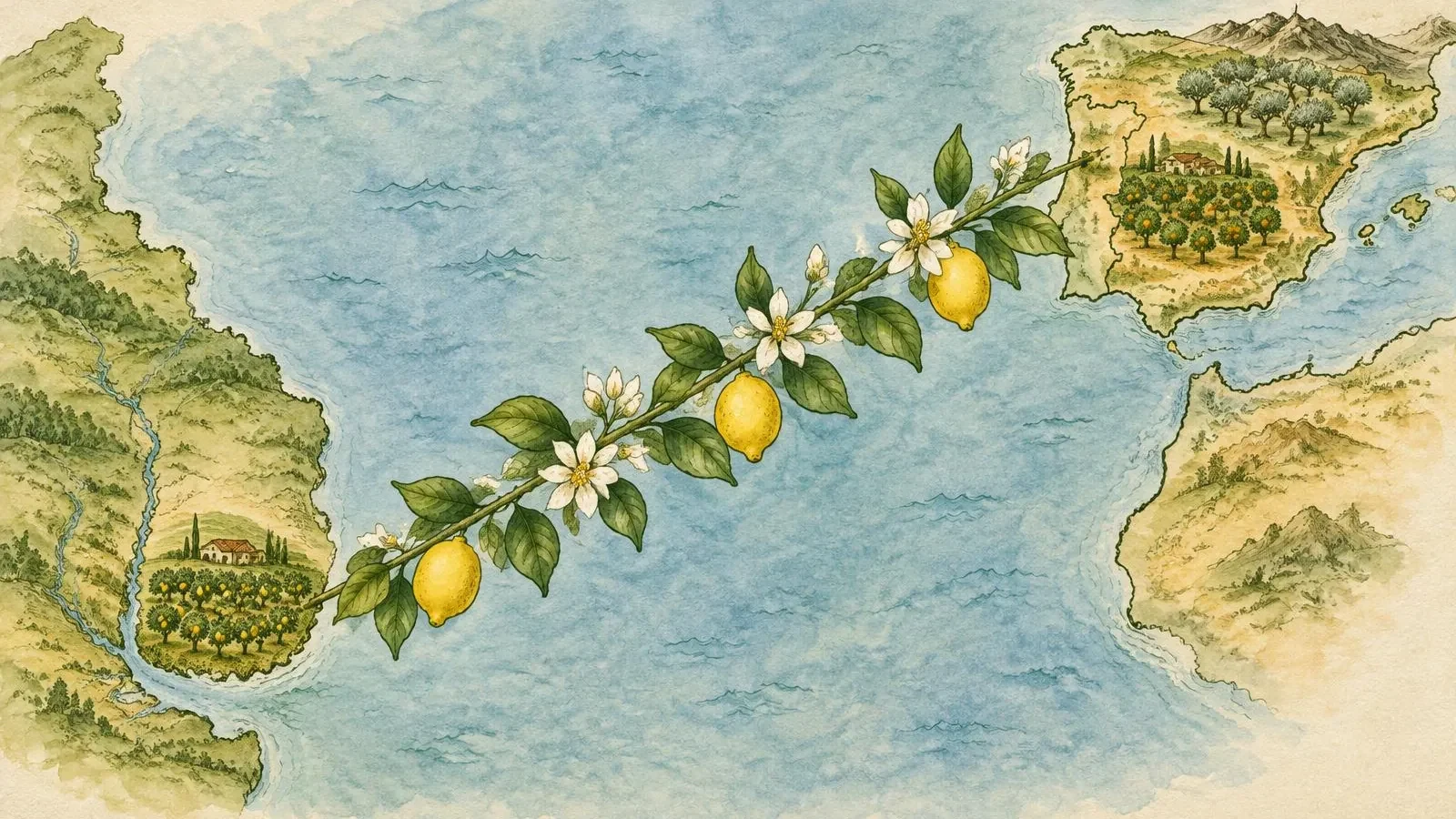
Sometimes, when I tell a neighboring farmer how Araminda Lemons works, he gives me a look that says, "Martín, you're dreaming. That won't work here."
It's the skepticism of someone who has taken many blows from the market, and I understand it. But what my neighbor doesn't know is that I'm not inventing anything: this has been tested elsewhere in the world. I'm bringing Uruguay an idea that already works in other places.
Two brothers and their grandfather's orange grove
In 2010, in Valencia, Spain, brothers Gabriel and Gonzalo Úrculo took over their grandfather's orange grove. Middlemen paid little and were always pushing to lower the price.
They decided to do something different: sell the harvest directly to people online, and produce only what would actually be consumed. That's how Naranjas del Carmen began. Over the years, that idea grew into CrowdFarming, a platform that now connects farmers with people across Europe.
From orange trees to olive trees
It's not just oranges. In Oliete, a village in Teruel with around 350 inhabitants, thousands of centuries-old olive trees had been abandoned because people had moved away.
Apadrinaunolivo.org began in 2014: people from all over the country pay to restore an olive tree and receive olive oil in return. In ten years, they restored more than 16.000 olive trees and created jobs for 35 people in the village.
If it worked with oranges and olives, it can work with lemons
Every project has its own approach. At Araminda, you don't sponsor a tree: you buy your harvest for the year, 40 kg of certified organic lemons, and that makes you part of the farm. You come to farm events, share your opinion on new projects, and have a lemon tree with your name on it.
But the underlying idea is the same. When farmers and the people who eat their food join hands without middlemen, two things happen:
- The farmer receives a fair price that allows them to care for the land and keep doing what they love.
- The person eating the fruit knows where it comes from and how it was grown.
What makes Uruguay different
There was no project like this in Uruguay. Araminda Lemons wants to be the first, and pave the way for other small farmers to do the same.
We're not reinventing the wheel. We're finally making it turn in favor of farmers and people who want to know what they eat. If you want to be part of the first Uruguayan example, see how it works.
Frequently asked questions
How did CrowdFarming begin? It grew out of Naranjas del Carmen, the project brothers Gabriel and Gonzalo Úrculo started in 2010 in their grandfather's orange grove in Valencia, Spain, selling the harvest directly to people.
How is Araminda different from sponsoring a tree? At Araminda, you don't sponsor a tree: you buy your harvest for the year, 40 kg of certified organic lemons, which includes farm events, a say in projects, and a lemon tree with your name on it.