"It's a ridiculous idea": why we take that criticism as a compliment
By Martín Guarini, grower at Araminda Lemons
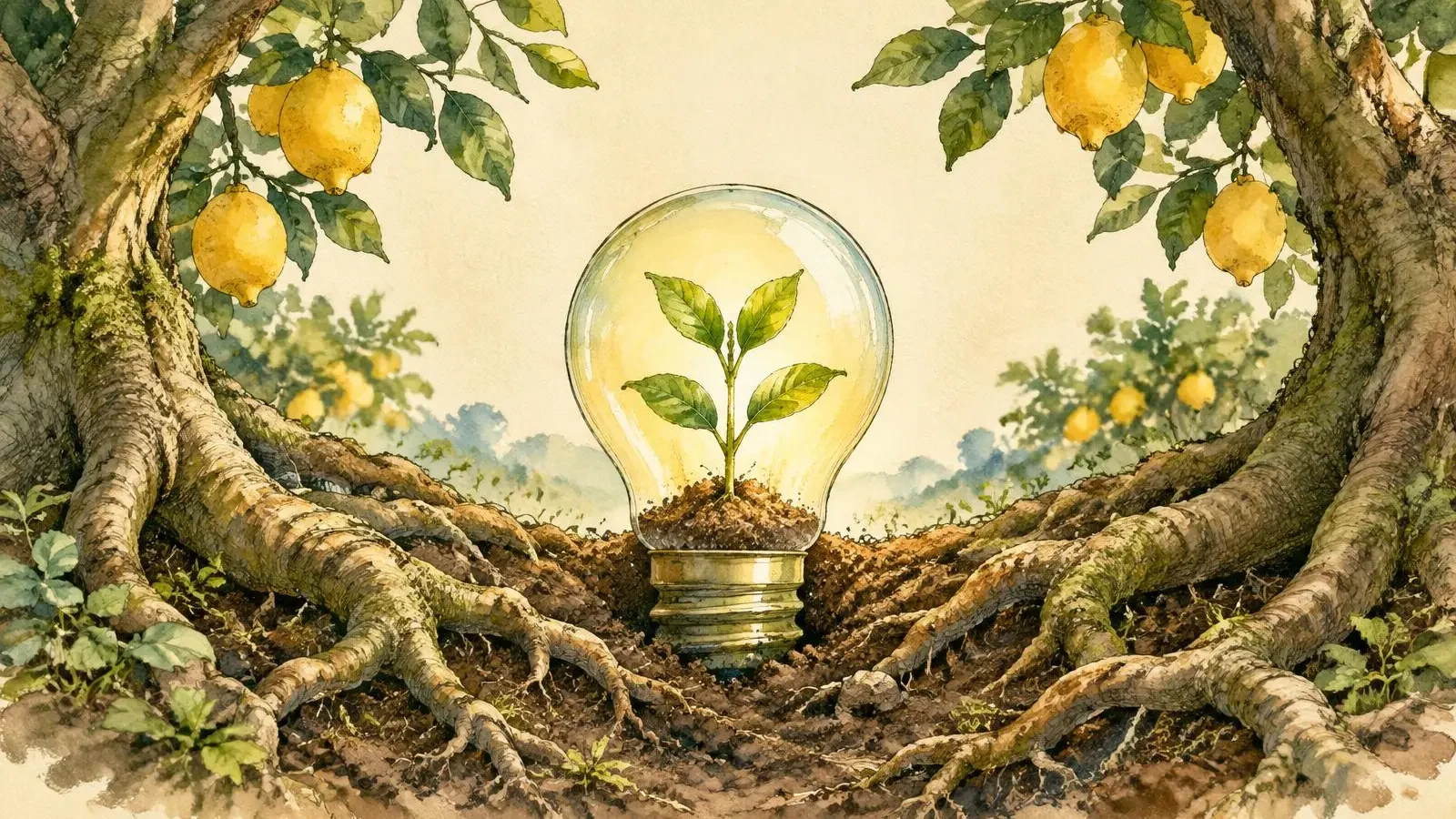
One day, someone heard how Araminda works and told me bluntly: "Martín, this is ridiculous. Nobody will pay upfront for lemons that haven't even grown yet".
I stayed quiet for a second, smiled, and replied: "You're right. It's ridiculous. And that's why it's going to work".
If it were logical and easy, it would already exist
The logic of today's market is what has left many producers bankrupt. The logical thing is to compete over pennies in the wholesale market. The logical thing is to squeeze the land until it has nothing left to give.
If our idea fit that logic, we would be doing the same thing as everyone else. And we would have the same results: miserable margins and no relationship with the people who eat our fruit.
We decided to be ridiculous because we decided to do things differently, and give it a try.
It's not a leap into the void
Although it may sound strange in Uruguay, paying for the harvest upfront is nothing new:
- In Japan, since the 1970s, families and organic producers have organized themselves through the teikei system: a direct agreement, without middlemen.
- In France, there are AMAP.
- In the United States, there are CSA, which work on the same idea.
- In Spain, brothers Gabriel and Gonzalo Úrculo took over their grandfather's orange grove in Valencia in 2010 and began selling the harvest directly to people. That was the beginning of CrowdFarming, which now connects producers and consumers throughout Europe.
What we do at Araminda Lemons is adapt that idea to Uruguay. I explain it in more detail in We're not reinventing the wheel.
Why it can work in Uruguay
Uruguay has something in its favor: distances are short. Araminda is 66 km from Montevideo, and that makes something possible that is very difficult in Europe: having people visit the farm. The four farm days a year are not a marketing add-on; they are the heart of the model. Seeing the tree, stepping onto the land, and meeting the producer are what make paying upfront stop seeming ridiculous. It also creates a bond between the producer and the person who eats the fruit, and allows us to build a community of people who want to be part of something different.
What's ridiculous today is normal tomorrow
Today, it seems ridiculous to us that people once smoked on planes and in restaurants. I hope that, in a few years, it will also sound ridiculous that we used to buy fruit without knowing who grew it or how.
Yes, paying upfront for your year's harvest may seem crazy. But that craziness is the most sensible way I've found to make sure there are still small producers on this land in 20 years, and to avoid losing the food sovereignty we are so proud of.
If you also feel that what's "normal" isn't working, you're one of us. Take a look at how it works.
Frequently asked questions
What is crowdfarming? It is a model in which people buy the harvest directly from the producer, often upfront, without middlemen. One of the best-known projects is CrowdFarming, which began in Spain with the Úrculo family's orange grove.
Does crowdfarming exist in Uruguay? Araminda Lemons is the first co-production project in Uruguay that we know of: an organic lemon farm in Canelones where up to a thousand families buy their annual harvest upfront.