The perfect business: when growers depend on what they are sold
By Martín Guarini, grower at Araminda Lemons
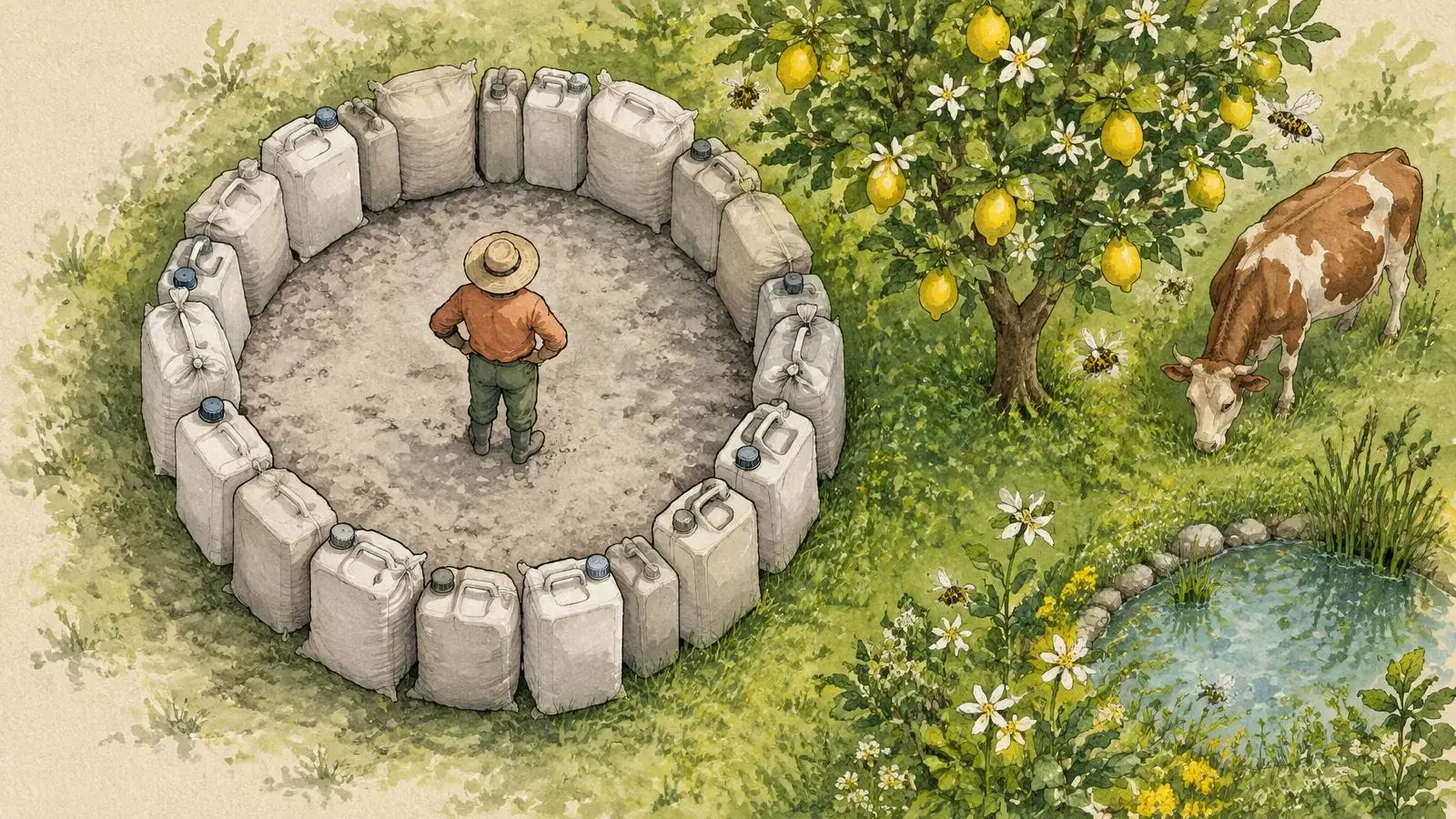
When I farmed conventionally, my year always started the same way: buying the package. Fertilizers, herbicides, insecticides, fungicides and hormones. The technician recommended it, the supplier sold it, and I paid for it before knowing how much I would harvest.
Then harvest time came, and I sold at whatever price I was offered, if I managed to sell everything at all.
It is a perfect business. But not for the grower. As the saying goes, we growers just watch the money pass through: it comes in one side and is already gone out the other.
Pay up front and take whatever you are offered
Conventional growers are caught between two prices they do not set. On one side is the price of inputs, which often rises with the dollar and the international market. On the other is the price of their fruit, set by the wholesale market according to how much arrived that day.
If input prices rise one year and fruit prices fall, growers make up the difference. This is how many small growers in Uruguay work, and why many leave farming: the numbers do not add up.
The loss of freedom
There is something that weighs more heavily than money: the feeling of having no say. When you depend on the package, you stop looking at your soil and start looking at the application calendar. Your farm begins to operate as an extension of the industry selling you the inputs.
I did not want that for my farm or my children.
How we broke out of the cycle
At Araminda, we stopped using synthetic chemicals 7 years ago. Today, the farm operates as a self-sustaining system:
- A neighbor's cattle graze between the rows. They eat the grass we previously had to remove with herbicide and fertilize the soil.
- Bees pollinate the flowers. The hives belong to Hugo, a beekeeper friend.
- Rainwater collects in two ponds, and that is what we use for irrigation.
And on the other side, we changed how we sell. With co-production, you buy your harvest in advance, directly from the grower, without intermediaries. We no longer depend on what the market pays that day, or that year.
What changed in the numbers
I will not lie to you: without the chemical package, the farm produces less than before. But it also spends less on inputs and depends less on the dollar and suppliers. Today, our only significant external input is fuel. And with advance sales, we know how much we will sell before harvesting. It is a smaller business, but more predictable and more our own. For a family grower, that predictability is worth as much as the kilos.
The future is built by eating
You do not need to be a politician or an economist to change this. Choosing whom you buy from is enough.
Every time you buy directly from a grower, you give them back some of the freedom they lost. If you would like to do that with us, see how it works.
Frequently asked questions
How are weeds controlled without herbicides at Araminda? Through grazing: the cattle eat the grass between the rows of lemon trees and, in return, fertilize the soil.
What is the advantage of selling the harvest in advance? Growers know how much they will sell and at what price before harvesting. They no longer depend on what the wholesale market pays that day.